
More risk for no benefit: exposing the Bactrim — Septrin scandal
A Brian Deer investigation
This Sunday Times investigation from the 1990s shone the first public spotlight on an appalling toll of sickness, disability and death caused by a blockbuster antibiotic known by countless names, particularly Bactrim, Septra, Sulfatrim, and Septrin. Reports in the paper led to an almost complete ban on the drug’s prescribing in the UK, but elsewhere around the world its unrestrained use continues.
Follow Brian on Twitter:
This website continues to inform, and receives large numbers of emails recounting real stories of what can happen. If you have a story, please contribute through the contact page. Your input may help others.
As a free public service, this site has archived selected emails from visitors. SYMPTOM SEARCHER: Enter Bactrim and your keywords (e.g. “headache,” “rash”) in the SEARCH BOX on any page.
[ 1 ] [ 2 ] [ 3 ] [ 4 ] [ 5 ] [ 6 ] [ 7 ] [ 8 ] [ 9 ] [ 10 ] [ 11 ] [ 12 ] [ 13 ] [ 14 ] [ 15 ] [ 16 ] [ 17 ] [ 18 ] [ 19 ] [ 20 ] [ 21 ] [ 22 ] [ 23 ] [ 24 ] [ 25 ] [ 26 ] [ 27 ] [ 28 ] [ 29 ] [ 30 ] [ 31 ] [ 32 ] [ 33 ] [ 34 ] [ 35 ] [ 36 ] [ 37 ] [ 38 ] [ 39 ]
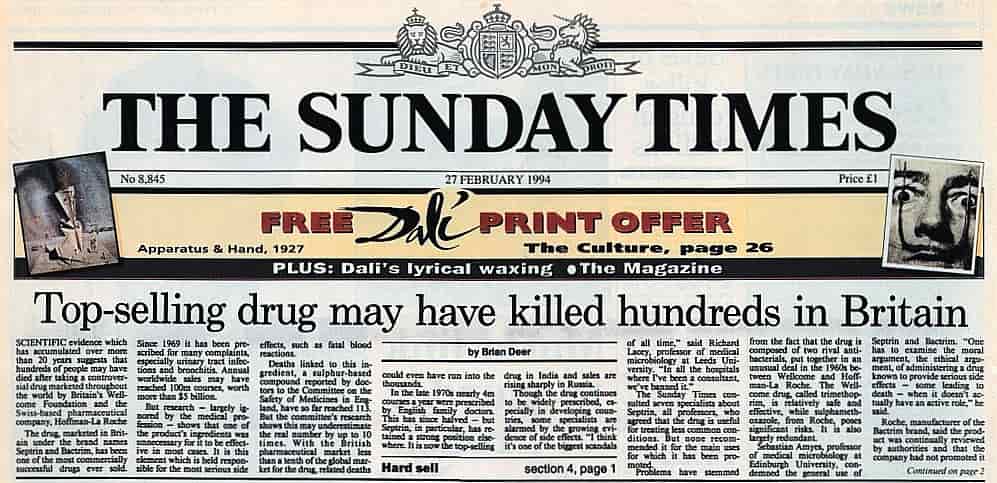
Toll of suffering: The first reports in the newspaper series exposed deaths and injuries in the UK, kept hidden for decades, caused by the antibiotic known most commonly as Bactrim, Septra, Septrin, Apo-Sulfatrim, SMZ-TMP and co-trimoxazole (manufactured by drug firms Wellcome — later part of the giant GSK — and Roche) but with many other names worldwide. The opening story appeared on page 1 of The Sunday Times of London.
The pill that killed: One of the first responses to Brian Deer’s initial stories was an approach from the mother of 18-year-old Justine Gibbs, whose horrifying death, caused by Septrin, formed the core for the feature at this link about trimethoprim – sulfamethoxazole’s potential side-effects, and led to campaigning in the UK. This was a success in Britain, but was not replicated around the world, where the suffering continues to this day, as revealed in the emails to this website.
One woman’s fight: In the year following Deer’s first report about the drug, three support groups were formed in the United Kingdom to counsel sufferers and to campaign for urgent action against Bactrim — Septra — Septrin — Septran. One was run by Kate Reid, an east London secretary, whose story was reported in The Sunday Times magazine in July 1995. “You know what I did,” she said. “I rang round all the papers, and I asked for the medicine correspondent, and told them they were bastards.”
Small victory: Aware of the impending magazine report on Kate Reid, the British government abruptly altered the drug’s official prescribing indications, as reported in the newspaper on Sunday July 9 1995. But in the rest of the world little changed. The worldwide web is today loaded with sites recommending the product.
Co-trimoxazole’s many names
Bactrim in other guises: The British campaign in the 1990s focused on the dominant brands in the UK – Septrin and Bactrim. But the drug’s contents – a combination of sulfamethoxazole (originally from Roche) and trimethoprim (originally from Wellcome) – is marketed worldwide in dozens of guises, causing confusion for those who wish to avoid these chemicals, and obscuring side effects when mishaps occur. Time and again, visitors to this site say that they, or their doctors, didn’t know that the drug was notorious for causing sometimes serious adverse reactions.
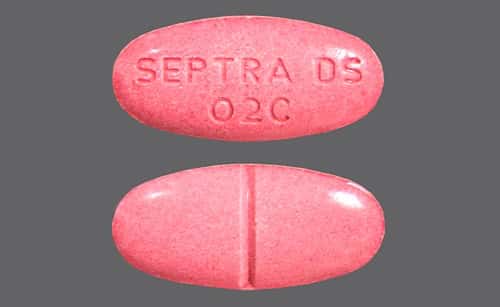 The American product is usually marketed as Septra, but there are countless more brands of sulfamethoxazole-trimethoprim. Most often, they are “double strength” or “Forte” formulations, containing 800mg of the synthetic antibiotic sulfamethoxazole and 160mg of another, trimethoprim. All of the products at this link are the same medicine, but with seemingly endless identities.
A doctor writes: Having prescribed a needlessly-dangerous pharmaceutical for most of their professional careers, many family doctors were outraged by the challenge over Bactrim — Septrin — Septra. Some felt that their patients were alarmed unfairly by Deer’s reports, which stressed side-effects, rather than typical experiences.
Hard sell: The Bactrim — Septrin — Septra — SMZ-TMP investigation sprang from Brian Deer’s inquiries for The Sunday Times into the extraordinary Wellcome organization, a part-drug-company-part-charity, which was broken up after the campaign. Here’s also a memo on Henry Wellcome, the American-born founder who was one of the architects of the modern pharmaceutical industry.
UK use restricted: After bitter resistance from the pharmaceutical industry and some regulators, senior doctors forced changes to the product’s UK data sheet, acknowledging the campaign’s claim that the risk-benefit profile was skewed. They said the drug should be restricted to Aids and special situations. Use of Septrin – Bactrim – Septra etc collapsed in the UK.
The battle for restricting Bactrim — Septra usage
Chronology of a campaign: After the first of the Sunday Times reports were published – now so long ago – apparent victims of the drug’s side effects who contacted the paper were interviewed on a standardized format, and campaigning groups were founded. This chronology summarises the origins of the campaign over Bactrim — Septra — Septrin, and includes links to more material.
A Commons touch: As the campaign gathered strength, a parliamentary debate was held in 1995, at which the government was pressed for action over the evidence of needless deaths and injuries.
Suffering in secrecy: In response to stories in the newspaper, hundreds of harrowing letters and phone calls were received from people who said that they or a family member was a victim of the drug’s side-effects. This cross-section of only six letters has been picked, showing the range of complaints leveled against the antibiotic. More followed in emails to this site.
Follow Brian on Twitter:
The conflict of interest
Wellcome’s world: Septrin was the foundation upon which the Wellcome organization rose. But, as the chart at this link reveals, a research funding money-go-round may have led regulators and experts on side-effects to give it an easy ride. If help for the company yielded the possibility of money from the charity, the risk of a conflict of interest, undermining public confidence, was obvious.
Our clients were appalled: After Brian Deer’s first Sunday Times story, way back in 1994, lawyers for Wellcome plc (later merged into GSK), manufacturer of Septrin in the UK, fired off letters implying they might sue. But the investigation and campaign continued.
Voices of suffering over Bactrim-Septra antibiotic
“I believe the information on your site saved my life” – JG
“Obviously, you are a “David” fighting Goliath for all of us who have been victims of the drug, Sulfamethoxazole” – Carol
“My husband and I are so very thankful to you” – MB
“Thank you for the invaluable info on this site… and letting me know that I’m not alone” – JW
“ I posted last year when i found out that my now 2-year-old son had a side effect to Bactrim. We now know that he has suffered neurologically” – RC
“Thank you so much for this site, it just may have saved my daughter’s life” – DC
“Your website more or less saved my life… Thanks and God Bless your website” – KS
“I happened upon your website after my 12-year-old son ended up in the hospital” – LF
“Fourteen years after my reaction, I finally find your website” – MC
“I absolutely can not believe they are still able to prescribe this” – DB
“Congrats on not only your articulate and effective article, but also on the courage you’ve shown by producing it” – Sherry
“I want to thank you so much for having this site, you may, and all share their stories, have helped my baby from long-term damage” – Chase’s mommy
“I didn’t realize there were so many others that had reactions from this drug” – BG
“Thank you for your website. I really thought I was going crazy until I saw other stories” – Annie
“THANK GOD I went on line and found your web site” – BB
“I decided to do some research on Bactrim and found your website. I absolutely can not believe they are still able to prescribe this drug” – DB
“The Bactrim fiasco makes you wonder about the fragility of the human race, but nothing much surprises me anymore as greed and power supersedes common sense” – RS
“Thank you for allowing a forum for those of us affected to vent our frustrations” – SR
“Hi Brian, I want you to know that your internet articles probably saved my life in 2005” – SL
RELATED:
Chronology of a newspaper campaign
The many faces of Bactrim and Septra
>>> Go to emails to this website >>>
SYMPTOM SEARCHER: This site has hundreds of visitors’ experiences. Enter Bactrim and your keywords (e.g. “headache,” “rash”) in the SEARCH BOX on any page.